Alternatives in Aquaculture Feeds
Plant Based Protein Sources

Enzymatic Digestion Aids
Many fish utilized in aquaculture are omnivorous and can tolerate plant based feed ingredients well, but research shows that enzymatic supplementation can still greatly improve nutrient absorption and feed conversion ratios.
Liang (2022) reviews various enzymes and their uses to aid fish in digesting aquacultural feeds.
- Protease aids in breaking down protein and peptides.
- Amylases are used in breaking down starch, though it is considered less effective for carnivorous species.
- Lipase enzymes help break down fats and cellulases (certain types of carbohydrates). - - Hemicelluloses are an enzyme to help break down different types of carbohydrates than standard cellulases.
- Phytases help absorb minerals by breaking down phytic acid in grains, seeds and legumes as phytic acid prevents mineral absorption if present in the feed. It should also be noted that the inclusion of phytases reduces dispersion of phosphorus in waste water and thus aids in reducing eutrophication or pollution.
- Glucose oxidases are able to convert glucose into gluconic acid and hydrogen peroxide, which can aid in replacing antibiotics in feed.
- Lysosomes are discussed for their bactericidal effects when included.
Soybeans


Soybean (Glycine max) Meal is a popular partial fish meal replacement for aquacultural feeds. The beans must be heat treated, then the beans are crushed and dehulled, extracting the oils and producing a product with approximately 48% crude protein.
Fermenting soybeans is one way to improve digestibility. The process includes dehulling the beans, soaking them for two hours, steaming for two hours and then incubating with Bacillus subtilis to ferment them. Study shows that Fermented Soybean meal can replace fish meal by up to 50% for African Catfish (Clarias gariepinus), up to 75% for White Shrimp (Litopenaeus vannamei), up to 35% for Spotted Sea Bass (Dicentrarchus punctatus), and up to 50% for Tilapia species (Magbanua, 2024).
"Complete replacement of fish meal in the diet of Nile tilapia (Oreochromis niloticus L.) grow-out with alternative protein sources. A review." by Ogello (2014) is another solid source that discusses the benefits, feasibility and stipulations of utilizing Soybean Meal as a protein source. They discuss soybean meal feeding to Nile Tilapia fry and adults recommending blending it with grain protein concentrates to adjust for amino acid imbalances. Additionally, mention of trypsin as an anti-nutritional factor is discussed though it can be reduced or negated by heating or defatting processes, and supplementation of Methionine, Lysine, oil and di-calcium phosphate was recommended in some cases, though its palatability is noted.
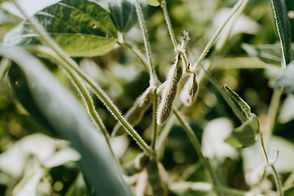
Cottonseed Meal is another plant based protein source that contains adequate protein levels and amino acids necessary for fish health, specifically so for Nile Tilapia (Oreochromis niloticus). Cottonseed meal was in some studies shown to be able to fully replace Soybean meals within fish feeds and as an alternative feed replacement up to 80% in one (Ogello, 2014). Ogello (2014) did also note that Cottonseed Meal has a good protein level but is limited in Cystein, Lysine and Methionine (amino acids) and contains gossypol, an anti-nutrient. Reports vary between 50-100% inclusion rate within Ogello (2014), though the 100% inclusion rate study is noted to be within a system that is not fully closed (earthen ponds) so supplemental consumption of other protein sources could have taken place.

Moringa
Moringa (Moringa oleifera) is a type of herbaceous plant that has been more recently explored for its potential as a plant based protein in feeds. It has been demonstrated to replace fishmeal up to 20% in Red Tilapia (Oreochromis sp.) and provide immune system benefits (Helmiati, 2021). Helmiati (2021) found that Moringa (Moringa olifera) contains 19 amino acids, vitamins A, B, C, E, K, has immune stimulating alkaloids, and betacarotene. However, it does contain anti-nutrients pytase, tannin, saponins and crude fiber, reducing its bioavailability. The study fed Red Tilapia a combination of Fermented Moringa Leaf Meal, Fishmeal, Soybean meal, Rice Bran, Starch, mineral mix, vitamin C, and fish oil. Moringa was provided at 0, 10, 20, and 30 percent replacing fishmeal. Fish were reared for 60 days from 9-10cm. The study noted that fishmeal is ideally replaced up to 20% for Red Tilapia and that its inclusion can help protein absorption and that phagocytic activity and index are stimulated by Fermented Moringa Leaf Meal.


Magbanua (2024) also discovered that Fermented Moringa Leaves could provide a substitute for fishmeal up to 30% for Red Tilapia (Oreochromis sp.).
Wolffia (Wolffia globosa)

.jpg)
Wolffia is a type of aquatic plant that contains necessary amino acids and 45.54% protein, making it an excellent plant based protein source. Wolffia contains 15 types of amino acids, 9 of which are Essential Amino Acids as well as various minerals, carotenoids and Vitamin E giving it good nutrient composition.
Wolffia also has a rapid growth rate within an aquatic system culture making it an ideal candidate for an aquacultural feed ingredient that could be grown within a base aquacultural, hydroponic or aquaponics system or tanks utilizing water from these systems for nutrients (Said, 2022).
Azolla (Azolla)
Azolla is an aquatically grown plant genus. Within the study Kamel (2026), azolla was found to contain up to 35% crude protein and has potential to be grown within an aquacultural setup. It has one of the fastest reproduction rates of any aquatic plant (2-5 days), significantly increasing its potential for sustainable use. It is stated to contain anti-nutritional compounds but supplementation with exogenous enzyme can help mitigate these impacts. 260 Tilapia with an average weight of 12.08 grams were used in Kamel (2026). In studies Azolla is shown to be able to replace fishmeal up to 30% without any negative health consequences for Tilapia and actually, azola fed fish were demonstrated to have higher crude protein and crude fat percentages in carcass than other feed sources (Kamel, 2026).
Further information about Azolla and its potential as a feed source for other species of fish, some with inclusion rates up to 42% for Nile Tilapia and up to 40% for Rohu (Labeo rohita) can be found within Mosha (2018). The study also states that in general utilization of glycogenic amino acids is increased in fish fed a percentage of their diet containing Azolla. (Mosha, 2018)

.jpg)
Results can vary between studies as not all scientific studies agree, for example, Magbanua (2014) successfully replaced 42% of fishmeal but highlights a study where it was not successfully fed.
Tomatoes

Tomatos (Solanum lycopersicum) may seem an unlikely candidate for a sustainable feed source, however studies show there may be merit to the idea. Hafez (2025) states that tomato pomace is high in Lycopene and beta carotene. Although it does have an imbalanced amino acid profile and some anti-nutritional factors, potentially theses anti-nutritional factors can be offset by supplementation with exogenous enzymes. The study included plain tomato pomace as well as tomato pomace supplemented with additional amino acids and supplementation with enzymes to improve digestibility and nutrient profile. The study suggested that inclusion of tomato pomace improves immune system and inflammation reduction functions through lysosome and cytokine activities. The conclusion stated that tomato pomace can be included up to 15% within the tilapias total diet as a method of health improvement and feed alternative inclusion (Hafez, 2025). Since tomato pomace is also considered a by-product of food production, its use can be considered more sustainable than production of a new resource.

Kamel (2026) also suggests potential health and supplementation benefits of tomatoes within aquacultural feed under 15% inclusion rate, though they do recommend enzymatic supplementation to aid digestibility.

Copra Meal
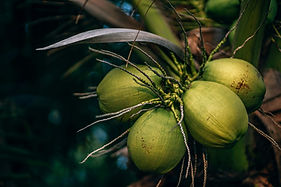
Copra meal is a moderate protein source made from the dried palm kernels of coconut palms. Magbanua (2024) states that copra meal can be supplemented at high levels for fishmeal in Nile Tilapia diets if supplemented with sesame meal to increase methionine the copra meal lacks. It does have anti-nutrients phytic acid and saponins, but were stated to have an inclusion rate up to 30% without negative impacts. It is most commonly found in tropical environments such as the Phillipians so it could have greater impact in areas of common use.


Pea Proteins
Pea Proteins are a common legume utilized in agricultural feeds. Pea meals have a good amount of protein but a low fat and high starch level compared to soybean meal, which still provides sufficient energy. Heat treatment and mechanical means can help reduce its anti-nutrients such as tannins. Nile tilapia can be fed pea meal at 10-50% fishmeal replacement value, though 30% is the recommended for juvenile Nile Tilapia (Magbanua, 2024).
Spirulina
Spirulina (Spirulina maxima) is a microalgae that Magbanua (2024) states can be used as a feed source 20-40% with positive impacts on health and production for Mozambique tilapia (O. mossambicus) fry. However, large scale or sole use of microalgaes as a feed source is not currently advised as there are some concerns with heavy metal accumulation. Additional research is necessary to address these concerns.

Fermentation of Plant Based Ingredients
Mugwanya (2023) is a literature review that assessed 755 studies to determine whether or not current research supports the replacement of fishmeal with plant proteins in aquacultural feeds. They determined that fermentation significantly increases the digestibility of the most common plant proteins such as soybean meal and rapeseed meals. The review also discovered that these fermented plant proteins are most viable to replace fishmeal for protein in aquacultural feeds for omnivorous species as carnivorous species often experienced reduced performance with full replacement. Another essential factor for success was determined to be the careful selection of bacteria type used for fermenting the given plant protein sources.
If you are interested in utilizing plant proteins for aquaculture, be sure to read Mugwanya (2023) and Liang (2022).
-
Hafez, A. A., E Nassef, E., A Bakr, A., B El-sawy, H., M Moustafa, E., S Abdo, W., & M Hegazi, E. (2025). Impact of Tomato Pomace, Enzymes and/or Amino Acids on Blood Parameters, Serum Biochemicals, Antioxidants, Immune Status and Expression of Immune-Related Genes in Nile tilapia Fish (Oreochromis nilotius). Egyptian Journal of Veterinary Sciences, 56(11), 2937-2947. https://ejvs.journals.ekb.eg/article_381850.html
-
Helmiati, S., Rustadi, Isnansetyo, A., & Zuprizal. (2021, November). The replacement of fish meal with fermented Moringa leaves meal and its effect on the immune response of red tilapia (Oreochromis sp.). In IOP conference series: Earth and environmental science (Vol. 919, No. 1, p. 012057). IOP Publishing. https://iopscience.iop.org/article/10.1088/1755-1315/919/1/012057/meta
-
Kamel, A. M., Mahmoud, M. M., Ibrahim, M. T., & Alian, H. A. (2026). Evaluating poultry by-product meal, tomato pomace, and azolla with or without Natuzyme supplementation as sustainable alternatives to fish meal for Nile tilapia (Oreochromis niloticus). Tropical Animal Health and Production, 58(4), 235. https://link.springer.com/article/10.1007/s11250-026-05001-0
-
Liang, Q., Yuan, M., Xu, L., Lio, E., Zhang, F., Mou, H., & Secundo, F. (2022). Application of enzymes as a feed additive in aquaculture. Marine Life Science & Technology, 4(2), 208-221. https://link.springer.com/article/10.1007/s42995-022-00128-z
-
Mugwanya, M., Dawood, M. A., Kimera, F., & Sewilam, H. (2023). Replacement of fish meal with fermented plant proteins in the aquafeed industry: A systematic review and meta‐analysis. Reviews in Aquaculture, 15(1), 62-88. https://www.researchgate.net/publication/361108952_Replacement_of_fish_meal_with_fermented_plant_proteins_in_the_aquafeed_industry_A_systematic_review_and_meta-analysis
-
Magbanua, T. O., & Ragaza, J. A. (2024). Selected dietary plant-based proteins for growth and health response of Nile tilapia Oreochromis niloticus. Aquaculture and Fisheries, 9(1), 3-19. https://www.sciencedirect.com/science/article/pii/S2468550X22000703
-
Mosha, S. S. (2018). A review on significance of Azolla meal as a protein plant source in finfish culture. Journal of Aquaculture Research and Development, 9(7), 544. https://www.researchgate.net/profile/Sebastian-Mosha/publication/327097607_A_Review_on_Significance_of_Azolla_Meal_as_a_Protein_Plant_Source_in_Finfish_Culture/links/5b77c1204585151fd11ccf97/A-Review-on-Significance-of-Azolla-Meal-as-a-Protein-Plant-Source-in-Finfish-Culture.pdf
-
Ogello, E. O., Munguti, J. M., Sakakura, Y., & Hagiwara, A. (2014). Complete replacement of fish meal in the diet of Nile tilapia (Oreochromis niloticus L.) grow-out with alternative protein sources. A review. International Journal of Advanced Research, 2(8), 962-978.
-
Said, D. S., Chrismadha, T., Mayasari, N., Febrianti, D., & Suri, A. R. M. (2022, January). Nutrition value and growth ability of aquatic weed Wolffia globosa as alternative feed sources for aquaculture system. In IOP Conference Series: Earth and Environmental Science (Vol. 950, No. 1, p. 012044). IOP Publishing. https://iopscience.iop.org/article/10.1088/1755-1315/950/1/012044/meta